Automation sounds like relief when an IT job search turns into a second job. But in technology hiring, volume without preparation can amplify weak applications. The useful question is not “Should I automate?” but “What must be true before automation is worth using?” A community thread in r/ITCareerQuestions—useful for readers searching for Job Assist reviews—captures the tension: personalized resumes and portfolios appear to matter more in tech, while stiff competition can make a high number of applications tempting. The practical answer is a pre-automation checklist.
This checklist has four gates: personalization, portfolio time, application volume, and industry fit. They are not meant to reject automation. They are meant to put it after judgment, so that speed does not outrun relevance.
Personalization Comes Before Throughput
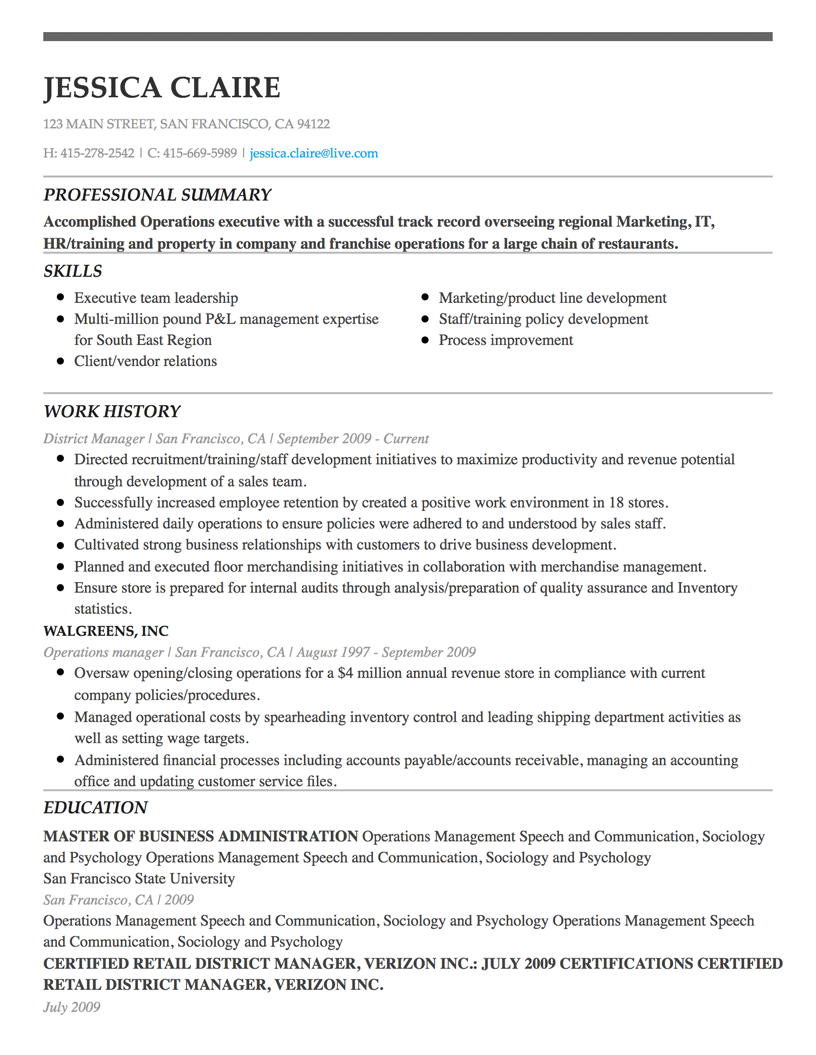
In tech, a generic resume is easy to spot. Before automating, build a core application profile that is accurate and specific: target role, skills, tools, projects, and outcomes. The Reddit thread notes that personalized resumes and portfolios appear to matter more in technology. That does not mean every application needs a custom essay. It means you need a deliberate system for matching your materials to the role. Start with one strong master resume, then create role-family variants. If a job listing emphasizes a particular technology, project type, or responsibility, there should be a clear place in your application where that evidence appears. Automation should distribute prepared materials, not invent relevance.
Also write a short, reusable professional summary that can be adjusted in a few minutes. Check that the keywords in your resume reflect real experience. Personalization is not keyword stuffing; it is making the hiring reader’s job easier. If you cannot explain why a role fits your background in three sentences, automation will only send that uncertainty faster.
Protect Portfolio Time in the Calendar
Portfolio work is often the first thing to disappear when application volume rises. In technology, however, evidence of work can carry more weight than a polished claim. Before adding more submissions, reserve time for portfolio maintenance. This might mean cleaning up project summaries, adding context to work samples, documenting decisions, or making sure your portfolio tells a coherent story about the roles you want. The exact format matters less than the evidence. A reviewer should be able to see what you built, why you built it, and what you learned. If your portfolio is stale, more applications will not fix the underlying problem.
Treat portfolio time as a real task, not a vague intention. Put it in your calendar before your application block. A simple rule helps: no batch application session until the portfolio link, resume attachment, and project descriptions have been checked. This is especially important when you are applying across multiple role types. A support-focused resume and a development-focused portfolio may need different emphasis. The pre-automation check is whether your evidence is ready to be seen.
Set a Quality-Floor Application Volume
The Reddit thread raises the volume question directly: if competition is stiff, does sending many applications help? In tech, where personalization and portfolio evidence matter, high volume can help only if it sits on top of a quality floor. Before automating, define that floor. What must be true for an application to go out? A relevant role, a resume that reflects the required skills, a working portfolio link, and a clear answer to why you are applying. If an application fails those tests, automation simply increases the number of low-fit submissions.
Set a volume you can sustain and review. A modest number of well-tracked applications is easier to learn from than a flood you cannot remember. Keep a simple log: role, company, date, materials used, and outcome. Month and year are enough for tracking; precision beyond that is less important than consistency. After a few weeks, look for patterns. Are certain role families getting responses? Are portfolio-heavy roles behaving differently from support or operations roles? The point is not to chase a magic number but to use volume as a controlled experiment. Automation can handle repetition; it should not handle your standards.
Match Automation to Industry and Role Fit
The thread also asks whether automation should vary by industry. In technology, the answer is likely yes, at least by role and employer context. Some roles reward a concise, skills-first application. Others expect a portfolio, project narrative, or deeper evidence of problem-solving. Before automating, sort your target roles into groups. For each group, decide what must be personalized and what can be reused. A role that expects a portfolio should not receive the same generic treatment as a role that mainly screens for certifications and support experience. Industry fit is not just about the sector name; it is about the hiring signals that sector values.
Also consider the cost of a mismatch. A high-volume approach may make sense when you are exploring many similar roles with clear requirements. It makes less sense when the role requires proof of work, a tailored narrative, or a specific technical focus. The community discussion does not settle the debate, but it frames the right pre-automation question: where does volume help, and where does it dilute? Use your target list to answer that before you scale.
The Pre-Automation Checklist
Use a short checklist as a gate before any automation tool or batch process. It should be quick enough to repeat and strict enough to catch weak applications.
- Personalization: I have a role-specific resume and a three-sentence fit explanation.
- Portfolio: My portfolio link works, project descriptions are current, and the evidence matches the role.
- Volume: I have a weekly cap and a quality floor that every submission must meet.
- Industry fit: I know which role families benefit from tailored materials and which can use a standard version.
- Tracking: I can review which materials went to which role and adjust after a reasonable period.
Automation is most useful after these items are ready. It can reduce repetitive form filling and help you keep pace, but it cannot decide whether a role is a good fit or whether your evidence is strong. For IT job seekers, the safer sequence is personalization, portfolio, controlled volume, and industry fit—then automation. The community thread is a useful reminder that the debate is not about whether tools can submit faster, but about whether the application deserves to be submitted at all.