Why Harley Street Leads the Way in London’s Hair Restoration Scene
Harley Street has long been synonymous with elite private healthcare, and that reputation extends to advanced hair transplant solutions. The area’s concentration of specialist surgeons, rigorous clinical standards, and access to the latest tools makes it a powerhouse for innovation. Patients seeking precision, natural density, and tailored hairline design often gravitate here because practices tend to combine medical artistry with meticulous surgical protocols. From comprehensive consultations to staged treatment planning, the experience on Harley Street is built around outcomes that look as if nature intended them.
Choosing a clinic in London also means proximity to world-class teaching hospitals and research networks. Surgeons collaborate with dermatologists and trichologists to evaluate scalp health, stabilize active hair loss, and time procedures for maximum graft survival. Reputable teams conduct thorough assessments, including donor density measurements, miniaturization mapping, and realistic density targets. This reduces the risk of overharvesting and ensures that graft distribution supports both today’s cosmetic goals and tomorrow’s hair conservation.
Beyond clinical pedigree, London’s leading centers invest in micro-surgical tools and magnification that protect the follicular unit—key to the subtlety of results. Carefully calibrated punches, stereomicroscopes for graft preparation, and refined handling techniques minimize trauma, improve viability, and protect natural angles. The best practices apply strict protocols for hydration, temperature control, and timing from extraction to placement. That level of detail makes the difference between a patchy, pluggy look and a seamless, age-appropriate restoration.
Cost transparency and aftercare are additional hallmarks of the capital’s top providers. Patients receive staged plans and clear pricing tied to graft counts and session complexity. Robust aftercare mitigates shedding anxiety, optimizes healing, and supports long-term scalp health. For those exploring hair transplant london options, Harley Street offers depth of expertise, consistency in outcomes, and support structures that extend far beyond surgery day—hallmarks that distinguish the area’s historic leadership in aesthetic medicine.
From FUE to FUT and DHI: Techniques, Planning, and the Markers of Natural Results
Modern hair restoration revolves around three primary methods: FUE, FUT, and DHI. Follicular Unit Extraction (FUE) uses tiny punches to remove individual follicular units from the donor region, leaving microdots that are typically hard to detect. Follicular Unit Transplantation (FUT), or strip surgery, removes a thin ellipse of scalp that is dissected into grafts—often ideal when large graft numbers are needed and the patient is comfortable with a linear scar that a skilled surgeon keeps as fine and flat as possible. Direct Hair Implantation (DHI) streamlines placement using implanter pens, allowing precise control of angle and depth. Each technique can achieve excellent results when matched to the patient’s goals, hair characteristics, and donor capacity.
Planning is where elite clinics differentiate themselves. Surgeons assess caliber, curl, color contrast with skin tone, and donor density to estimate the cosmetic “coverage value.” A strong plan safeguards the donor for the future: many patients will continue to thin, so a disciplined approach spreads grafts wisely and designs a hairline that will still look natural in five, ten, or fifteen years. The best outcomes balance immediate visual impact with long-term sustainability—especially important for younger patients who may progress on the Norwood scale.
Angle and direction control are the signature of a natural look. Top teams choreograph incisions or pen placements to emulate native growth patterns, particularly at the hairline and temples where any misalignment is obvious. Multi-hair grafts can add mid-scalp density while single-hair units provide a soft transition in the frontal zone. Careful channel creation—considering depth, spacing, and the scalp’s vascularity—helps maximize survival and avoid compression that can stunt growth. Adjuncts like PRP, low-level light therapy, and tailored medical therapy can complement surgical work, supporting both grafts and native hair.
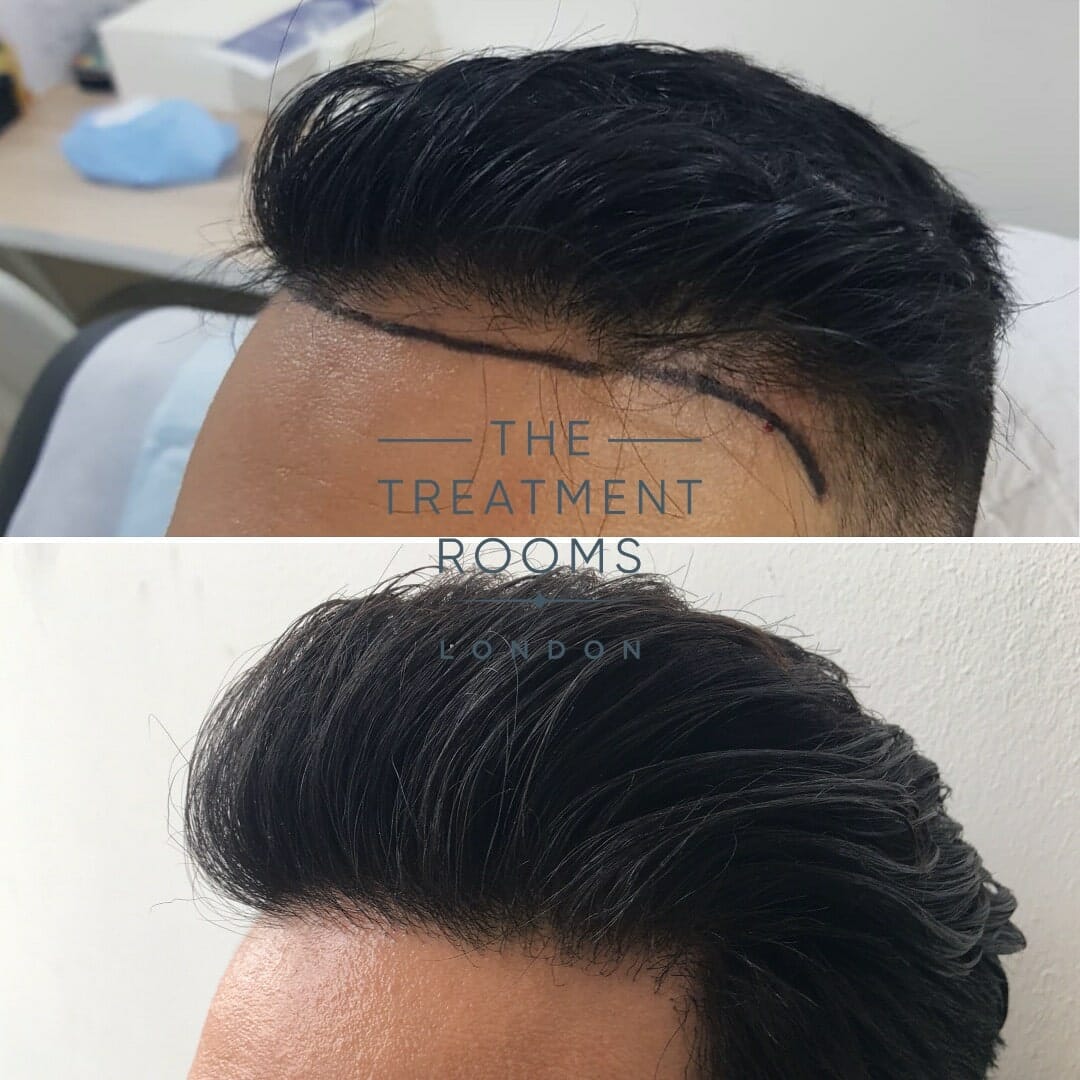
When evaluating options for the best hair transplant london can offer, look beyond headline technologies. Robotics and motorized systems can aid extraction precision, but operator skill still governs punch alignment, transection rates, and graft handling. Review extensive before-and-after galleries with consistent lighting and angles, ask about average graft survival, and probe the team’s experience with hair characteristics similar to yours. Such diligence separates marketing gloss from genuine surgical excellence—the foundation of a refined, resilient result.
Real-World Pathways: Case Studies, Costs, and Aftercare Expectations
Consider a 28-year-old professional with early recession at the temples. A conservative FUE of 1,400–1,800 grafts focuses on the frontal third, using single-hair units along the leading edge for softness and doubles behind for density. The hairline is drawn to complement facial proportions, avoiding an overly low, high-maintenance design. Medical therapy helps stabilize mid-scalp miniaturization, preserving native hairs and postponing the need for additional surgery. At three months, early sprouts appear; at six months, coverage improves; full maturation typically arrives between months 12 and 18, with texture and caliber continuing to refine.
Now take a 45-year-old with a thinning crown and moderate frontal recession. A combined strategy might allocate 2,200–2,800 grafts, prioritizing the frontal third for framing while distributing remaining units across the crown to break up the “see-through” look. Because crown whorls demand careful angle replication, surgeons place grafts to mimic the swirl’s natural flow. A patient like this benefits from structured aftercare: gentle cleansing protocols, sleep positioning to reduce swelling, and check-ins to monitor shedding (common around weeks 2–4) and early growth milestones.
Repair work is equally common. A 35-year-old who previously had FUT may seek refinement for a visible linear scar and an unnatural hairline. Strategic FUE into the scar can improve concealment, while micro-refinement with single-hair grafts softens a straight or overly dense frontal edge. This kind of case shows why operator artistry matters: the goal isn’t just density, but believable irregularity and transitions that mirror natural hair emergence. In skilled hands, even complex corrections can be transformed into results that blend seamlessly with native hair.
Costs in London vary with graft numbers, case complexity, and whether sessions are staged. While budgets differ, a transparent quote clarifying the per-graft structure, what is included in aftercare, and whether adjunct therapies are recommended is standard at leading clinics. For those evaluating a hair transplant uk wide, consistency in surgical team involvement, anesthesia protocols, and follow-up support often predicts smoother recoveries. Aftercare typically addresses scalp hydration, inflammation control, sleeping posture, and activity pacing. Clear guidance on washing, avoiding pressure on grafts, and nutrition supports healing. Over the months, periodic reviews help adjust medical therapy, consider SMP for visual density if appropriate, and map any long-term plan—especially for those exploring hair transplant harley street options where strategic staging and donor conservation are central to reliable, natural-looking outcomes.