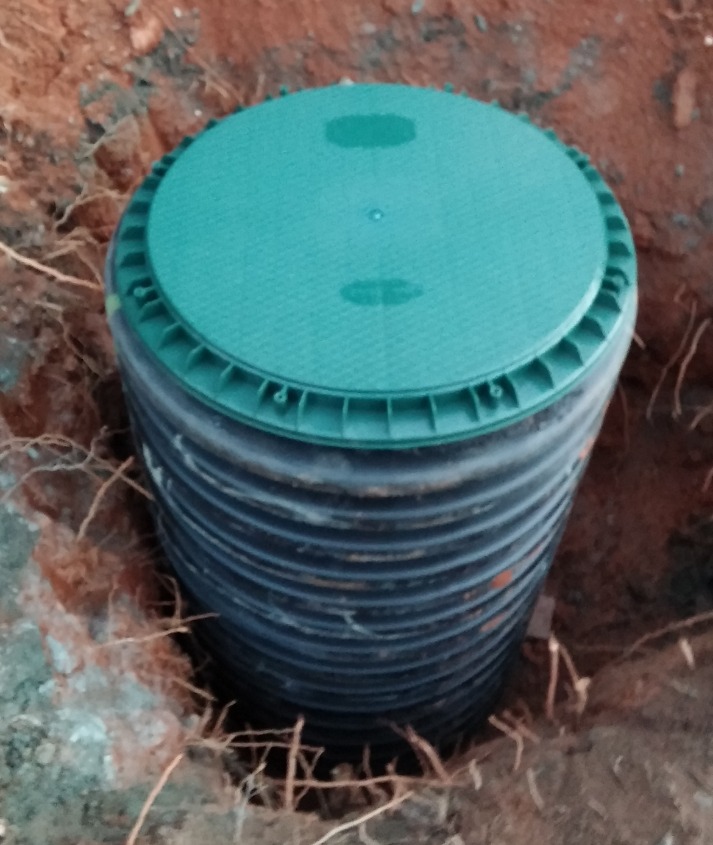
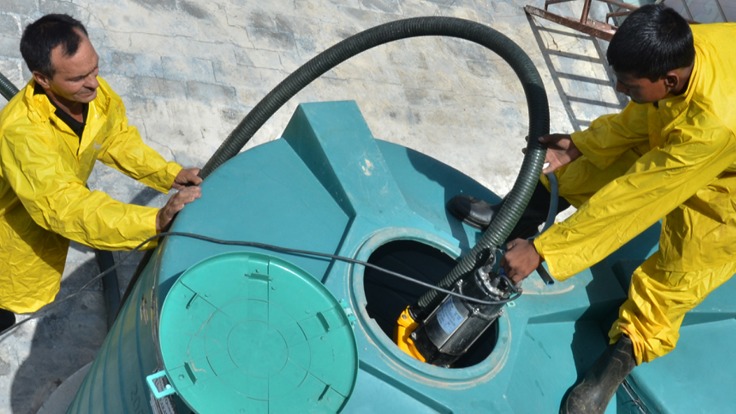
In New Jersey, the presence—or even the suspicion—of a buried heating oil tank can turn a routine real estate transaction into a maze of risk, regulation, and negotiation. Real estate attorneys across the state regularly confront this issue, especially in older neighborhoods where underground tanks were once standard. How they frame tank contingencies in purchase contracts often determines whether a deal proceeds smoothly, gets renegotiated, or falls apart. For homeowners, buyers, sellers, and property professionals, understanding the legal logic behind these contingencies is essential. Attorneys do not simply add a boilerplate clause; they craft language that allocates responsibility, sets timelines, and accounts for the unpredictable nature of environmental fieldwork. The goal is to manage uncertainty without creating unnecessary delay. This article explores how New Jersey real estate attorneys approach underground tank contingencies, the strategies they use to balance due diligence with deal certainty, and how environmental findings are translated into legal remedies. Whether you are selling a home with a legacy tank or buying a property with unknown subsurface conditions, the way your attorney frames the contingency can protect your interests and keep the transaction on track.
The Anatomy of a Tank Contingency Clause in New Jersey Purchase Contracts
When a New Jersey real estate attorney drafts a tank contingency, the clause typically does far more than state that the buyer may inspect for an underground tank. Attorneys structure these provisions to define the scope of investigation, the timeframe for completion, and the remedies available if a tank or contamination is discovered. A well-framed contingency will specify whether the buyer can conduct a tank sweep, soil sampling, or a full leak investigation, and who bears the cost of that work. In many cases, the seller agrees to provide access and may cover certain initial testing, while the buyer assumes the cost of more invasive evaluation. Attorneys also build in due diligence periods that are realistic for scheduling environmental professionals and receiving laboratory results. Because New Jersey’s heating oil tank closure process—often referred to under the NJDEP’s UHOT program—can involve documentation and review, attorneys may require that any remediation or closure work be performed in accordance with applicable state standards. The contingency often includes a termination right if the buyer is not satisfied with the findings, but attorneys frequently add a negotiation window so the parties can discuss credits, escrow holds, or seller-performed remediation before the buyer walks away. Language may also address who retains environmental reports and how those reports will be shared with lenders. For buyers and sellers who need to satisfy a contingency through professional fieldwork, more information about tank sweeps and soil sampling can clarify what the technical process involves. Attorneys are careful not to guarantee outcomes; instead, they frame the contingency as a structured process for gathering facts and making informed decisions. This approach helps avoid the common pitfall of a vague “tank clause” that leaves both parties guessing about their obligations when a surprise emerges.
Balancing Due Diligence and Deal Certainty: Attorney Strategies for Tank-Related Risks
Real estate attorneys in New Jersey know that a tank contingency can either protect a buyer or scare off a seller. The challenge is to frame the clause so it allows meaningful investigation without turning the contract into an open-ended option. One common strategy is to separate the inspection phase from the remediation phase. During the inspection phase, the buyer gets a defined window to conduct a tank sweep or limited soil testing. If no tank is found, the contingency expires and the deal proceeds. If a tank or contamination is identified, the attorney then triggers a second phase where the parties negotiate responsibility, cost, and timing. Attorneys often use escrow holds or remediation credits to keep the deal alive while environmental work is completed. For example, the seller might agree to place funds in escrow to cover tank removal and soil sampling, with any unused balance returned at closing. Another strategy is to include a seller disclosure requirement that forces the seller to reveal any known tank history, prior removals, or unresolved notices. Attorneys may also recommend that the seller obtain a tank sweep before listing the property, which can reduce uncertainty and speed up negotiations. In local markets where buried tanks are common, attorneys frequently advise buyers to use licensed environmental professionals rather than general contractors, because the documentation needs to satisfy lenders and potentially support future NJDEP closure review. The contingency may also address what happens if contamination is discovered after closing—through indemnification clauses or post-closing obligations—though attorneys are careful to avoid overpromising. The overarching goal is to create a predictable path for resolving tank issues without letting the contract drag on indefinitely. By defining milestones, deadlines, and financial responsibilities, attorneys help both sides understand the rules of the road before emotions and closing pressures take over.
From Contract to Closing: How Attorneys Coordinate Environmental Findings with Legal Remedies
Once a tank contingency is triggered, the real estate attorney’s role shifts from drafting to coordinating. If a tank sweep reveals a buried oil tank or soil samples show elevated levels of contaminants, the attorney must translate those technical findings into legal remedies. Typically, the attorney will review the environmental report, confirm whether the findings fall within the contingency’s scope, and advise the client on options. For buyers, that might mean negotiating a price reduction, requiring the seller to perform removal and remediation before closing, or setting up an escrow hold to fund the work after closing. For sellers, the attorney may work to limit liability by defining the extent of remediation required and ensuring that any closure documentation is sufficient for the buyer’s lender. Attorneys also coordinate with environmental professionals to ensure that the work aligns with the contract’s deadlines and any applicable state standards. In New Jersey, the NJDEP’s UHOT closure process can involve submitting reports and receiving a closure letter, so attorneys often build contingencies that require the seller to provide proof of closure or a plan for obtaining it. Real-world scenarios frequently involve post-closing escrow agreements where funds are held until a tank is removed and soil sampling confirms acceptable conditions. Attorneys may also include access provisions allowing environmental crews to enter the property after closing if remediation is ongoing. Case studies from across the state show that deals move most smoothly when the contingency clearly identifies who is responsible for each step, how disputes will be resolved, and what constitutes satisfactory completion. Attorneys do not make environmental decisions—they rely on licensed professionals for that—but they frame the legal consequences of those decisions. By integrating environmental findings into the purchase contract’s remedies, New Jersey real estate attorneys help clients avoid post-closing surprises and ensure that tank-related risks are addressed with clarity and accountability.