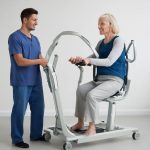
More families than ever need compassionate, dependable support—creating a wave of opportunity for people seeking caregiver jobs that truly matter. Whether you’re exploring entry-level roles, upskilling into senior caregiver jobs, or searching for flexible home care jobs near me, the caregiving field offers meaningful work with steady demand, career mobility, and schedules that fit real life. Here’s how to understand the landscape, stand out as a candidate, and step confidently into a role where your presence makes a daily difference.
What Caregivers Do and Where You Fit: Roles, Requirements, and Demand
Caregiving spans a spectrum of roles and settings, from companionship to complex personal care. Entry-level caregivers assist with daily activities—bathing, dressing, grooming, mobility, light housekeeping, meal prep, and medication reminders—often in a client’s home. As skills deepen, opportunities expand into home health aide jobs that may include simple wound care or vital sign monitoring under supervision, and facility-based roles that support residents in assisted living, memory care, or skilled nursing. For those with formal credentials, CNA jobs near me typically focus on hands-on clinical support, documentation, and close collaboration with nurses.
There are two main employment tracks: agency-based and independent. Agencies provide steady shifts, training support, and clients, which can be ideal for newcomers or anyone who wants consistent hours and coverage for liability and scheduling. You’ll find many caregiver agencies hiring with immediate openings due to rising demand. On the other hand, private caregiver jobs can offer higher hourly pay, unique client relationships, and maximum flexibility—but they also require strong self-management, reliable transportation, and a comfort level with negotiating pay and duties directly.
Requirements vary by state and employer. Most positions require a background check, reliable references, and proof of eligibility to work. CPR/First Aid certification, TB screening, and specific state trainings for personal care aides or home health aides are common. Formal credentials like CNA or HHA often open doors to higher pay and faster advancement. Even for entry roles, candidates who can safely transfer clients, use adaptive equipment, or support memory care bring immediate value to families and facilities alike.
Demand is strong and growing. An aging population, hospital-to-home care trends, and increased preference for aging in place mean more openings and more pathways for advancement. Job postings that read caregiver hiring now are not hype; they’re a reflection of real need across urban, suburban, and rural communities. If you’re searching for home care jobs near me or weighing a switch from hospitality or retail, caregiving can provide stable, purposeful work with a clear path toward specialized roles and leadership.
How to Get Hired Fast: Training, Resume Strategies, and Local Search Tips
Break in quickly by aligning your skills with employer needs. If you’re brand-new, look for short, state-approved trainings for personal care aides or HHAs; many agencies pay for onboarding and continuing education. If you’re aiming for clinical depth and broader options, consider a CNA program at a community college or vocational school—completing it can unlock hospital-adjacent roles, skilled nursing assignments, and higher baseline pay. Specialized modules—dementia care, safe transfers, Hoyer lift use, catheter care, or hospice fundamentals—signal immediate readiness and reduce training time for employers.
Your resume should tell a story of safety, reliability, and compassion. Lead with credentials (CNA/HHA/CPR), cleanly list hands-on skills (bathing, dressing, medication reminders, mobility assistance), and include measurable outcomes: “Supported five clients per shift with 100% on-time medication reminders,” or “Used gait belt and transfer techniques to prevent falls.” Customer service roles translate well—highlight patience, de-escalation, communication, and teamwork. Keep it concise, proofread carefully, and add two to three references ready to vouch for punctuality and integrity.
Interview preparation can set you apart. Be ready to describe how you handled a difficult behavior in dementia care, ensured dignity during personal care, managed a time conflict between clients, or documented changes in condition. Employers also value dependability: discuss your transportation plan, backup childcare if relevant, and comfort with variable schedules. Bring copies of certifications and IDs to streamline hiring—especially for employers with rapid onboarding or same-week start dates.
Local search tactics matter. Start with targeted queries like caregiver jobs near me, senior caregiver jobs, and facility names in your area. Create alerts on job boards, contact reputable agencies directly, and network with nursing instructors, social workers, and community centers who often know who’s hiring. For an aggregated, up-to-date view of roles across employers, browse caregiver job openings to compare pay ranges, shift types, and requirements in one place. Apply the same day you find suitable listings—fast response is often the difference between getting an interview and missing a window in a high-demand field.
Finally, maintain momentum. If you’re not hearing back, tweak your resume keywords to mirror postings: include terms like home health aide jobs, ADLs, dementia care, companionship, hospice, transportation assistance, and documentation. Follow up politely within 48–72 hours, and consider castling between agency and private leads to widen your options. Employers appreciate proactive candidates who stay engaged through each hiring step.
Real-World Pathways: Case Studies and Growth from Entry-Level to Specialized Care
Maria transitioned from retail to home care within six weeks. After completing a weekend CPR/First Aid course and a brief state-approved personal care aide training, she applied to three agencies advertising caregiver agencies hiring with immediate start dates. She highlighted her retail wins—patience with long lines, conflict resolution, and schedule reliability—and practiced responses to dementia scenarios. Hired within a week, she began with companionship and light ADLs, then added safe transfer training. Within six months, consistent documentation and client praise led to a raise and the option to pick up facility shifts for higher differential pay.
Jamal, a newly certified CNA, targeted memory care and short-stay rehab facilities after searching CNA jobs near me. He curated his resume for clinical impact: accurate intake vitals, positioning to prevent pressure sores, and collaboration with RNs for post-op recovery. By choosing employers with tuition assistance, he funded an advanced dementia care certificate. That specialization allowed him to mentor new hires and qualify for team lead shifts. Two years later, he’s mapping a path to LPN school—proof that frontline caregiving can be a springboard to licensed nursing.
Li, a seasoned caregiver, moved into private caregiver jobs for greater flexibility and higher hourly rates. She built a professional profile spotlighting stroke recovery support, meal planning for diabetes, and safe transportation to appointments. After securing a long-term private case three days per week, she supplemented with weekend respite shifts through an agency to maintain consistent income. Her approach shows a balanced strategy—private arrangements for autonomy and agency work for steady backup—that many experienced caregivers find sustainable.
Geography and scheduling shape real outcomes, too. Urban markets typically post more home care jobs near me with clear shift structures—overnights, 12-hour blocks, or split shifts—while rural areas may bundle multiple short visits with mileage compensation. Facilities often prefer predictable availability, whereas families may be flexible if you bring specialized skills, like safe transfers with mobility aids, feeding tube knowledge under supervision, or bilingual communication for culturally aligned care.
Skill stacking amplifies earning power. Start with baseline ADLs and reliability, then layer on dementia communication techniques, safe body mechanics, infection control, and end-of-life comfort measures. For those eyeing clinical routes, pairing HHA or CNA credentials with charting proficiency and teamwork experience can unlock higher-paying roles and faster advancement. If your goal is leadership, volunteer to mentor new hires, refine scheduling savvy, and learn incident reporting—capabilities that agencies and facilities reward with lead caregiver or shift supervisor opportunities.
Across these pathways, one constant remains: families and facilities value caregivers who combine empathy with consistency. Whether you’re applying to facilities, pursuing home health aide jobs, or exploring hybrid agency-plus-private arrangements, small investments in training, documentation, and communication skills compound quickly into long-term stability and fulfillment. With high demand, varied settings, and clear steps for progression, caregiving offers a practical, purpose-driven career for today—and a foundation for tomorrow’s ambitions.